
















Access control management for healthcare facilities
A healthcare facility can contain public areas, clinical departments, staff-only zones, pharmacies, R&D laboratories, and high-security areas. These may be located within the same building or across its branch locations. Each requires a different level of access without slowing down day-to-day operations.
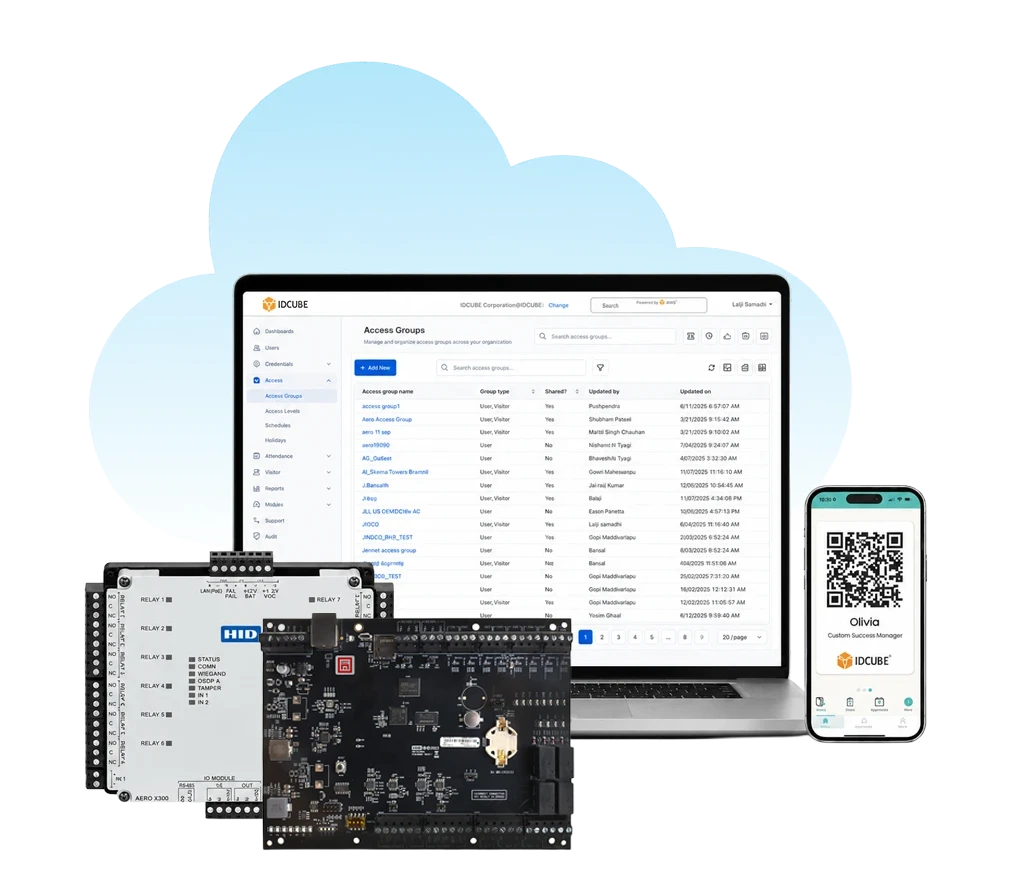
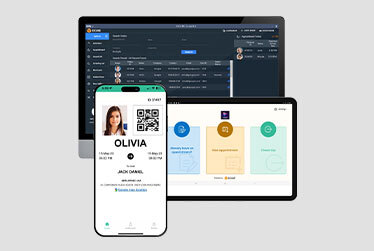
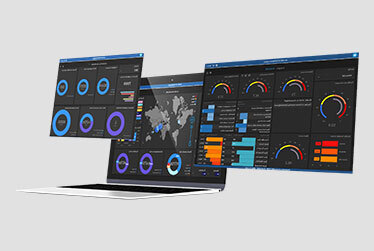
Access Master enables healthcare organizations to centrally manage users, credentials, door and elevator access, permissions, and security events. Access policies can be defined according to role, department, location, shift, and security level, helping organizations control sensitive areas while supporting everyday clinical workflows.
Healthcare R&D labs contain specialized equipment, sensitive research data, and valuable intellectual property that require controlled physical access.
Access Master helps healthcare organizations restrict and monitor access to R&D areas based on user roles, departments, schedules, and security levels. This allows authorized researchers and staff to access designated areas while limiting entry to sensitive spaces.
- Use Case: Imagine a hospital R&D lab has four areas:
Zone 1: Reception
Zone 2: General research area
Zone 3: Specialized research lab
Zone 4: Highly restricted equipment room
A data scientist may enter Zones 1 and 2 but cannot enter Zones 3 or 4.
A lead scientist may enter all four zones.
A cleaning worker may enter Zones 1 and 2, but only after working hours.
So, the same building does not mean everyone gets the same access
Healthcare facilities have multiple floors with different access requirements. Patient wards, operating areas, laboratories, pharmacies, and administrative floors may need access limited to specific staff or visitors.
Access Master can integrate elevator access with access permissions. It allows organizations to control which floors a person can access based on their role, department, or authorization.
- Use Case: A nurse assigned to the ICU can use her credential to access the ICU floor, while a visitor can only access the designated patient floor. A pharmacy employee can access the pharmacy floor but cannot access restricted clinical or research areas.
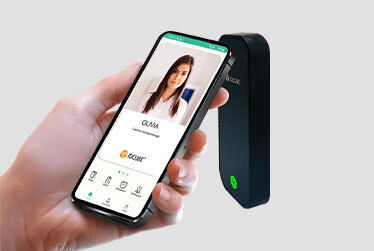
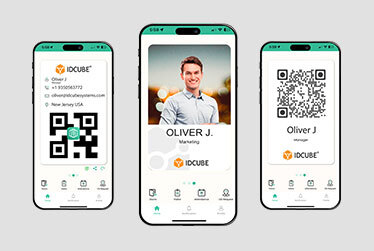
Facial recognition provides touchless access to ICUs, cleanrooms, laboratories, and research zones, where staff should avoid touching shared cards or key fobs. For doctors and paramedical staff who move between hospitals in a day, physical credentials are also easy to forget or lose. Access Master supports facial recognition, smart cards, mobile credentials, Apple Wallet, Google Wallet, and dynamic QR codes, so organizations can match the credential to the person and the area.
AI-powered facial enrollment validation checks face angle, lighting, background, and image quality during onboarding, creating reader-ready facial credentials and preventing enrollment errors.
Access policies can also adapt to each situation. High-security areas can require multi-factor authentication, such as face plus PIN or face plus card, while general areas allow a single credential for faster movement. Temporary access can be issued for a fixed time window and expires automatically. Policies such as two-person authorization and anti-passback add accountability in controlled areas.
- Use Case: Visiting specialists: A specialist scheduled across three hospitals receives a time-bound QR code or mobile credential instead of separate physical cards for each facility. Access expires automatically after the scheduled visit.
Shift-based access: ICU nurses can enter the ICU only during their assigned shifts. When a shift ends, access is restricted automatically, with no manual changes needed.
Controlled drug storage: Entry to a drug store requires two authorized staff members to authenticate together using face plus PIN, creating clear accountability for every access event.
Door interlocking is essential in maintaining cleanroom integrity, controlling airflow, and preventing cross-contamination in hospitals, laboratories, and manufacturing zones.
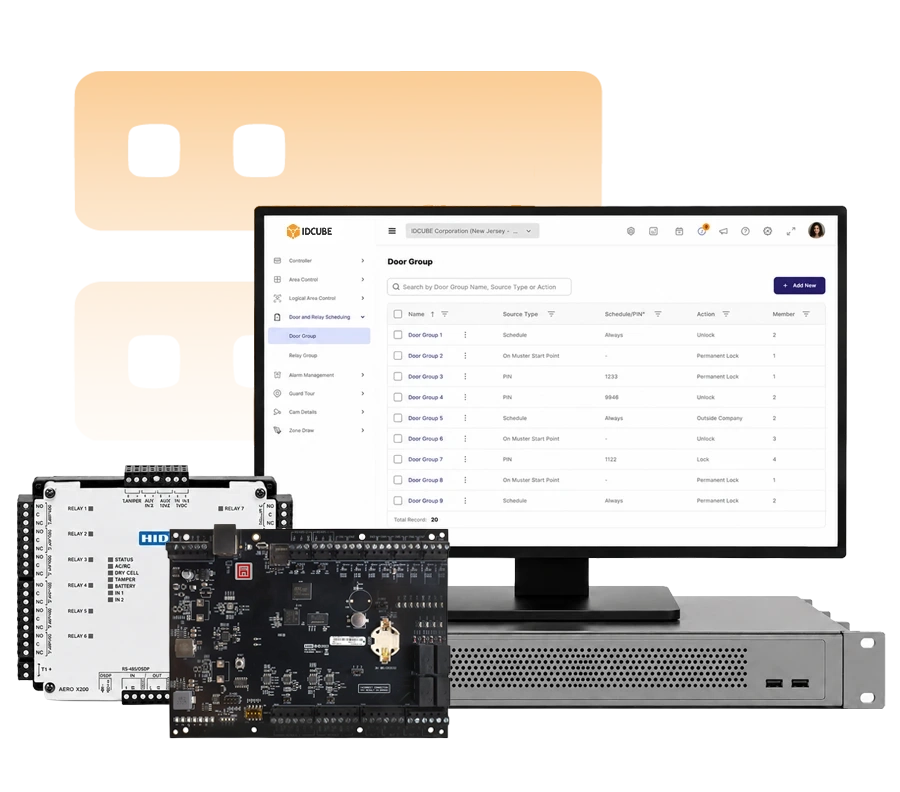
Access Master supports interlocking between any number of doors to control movement through restricted environments.
- Use Case: In a sterile lab, a laboratory professional opens the outer door to enter the airlock. The inner cleanroom door automatically locks until the outer door is completely closed.
Pharma and research facilities operate under strict regulatory requirements, including US FDA 21 CFR Part 11, GDPR, ISO 27001, and ISO 27018, to ensure data security, traceability, and regulatory compliance.
Access Master supports detailed, time-stamped electronic audit trails and strong identity verification to help organizations meet applicable regulatory requirements, track access events, and protect sensitive data across healthcare and pharmaceutical environments.
- Use Case: During a pharma quality audit, an administrator retrieves the complete access history of a controlled research area, including who accessed it, when access occurred, and the credential used, providing a secure, traceable electronic record for audit review.
Flexible access control is essential in healthcare facilities to maintain security, streamline staff movement, and manage access to restricted areas based on roles, schedules, and security requirements.
Access Master enables administrators to customize access rules by area, staff role, and operating hours. It supports scheduled access, credential-based permissions, additional verification methods, and configurable reader actions for enhanced security and operational efficiency.
- Use Case: During OPD hours, authorized staff can activate passage mode to keep consultation rooms accessible without repeated card taps. Once clinic hours end, the doors return to their secured state. In general wards, access can be restricted based on staff roles and shifts, while sensitive areas can require additional PIN verification or two-person authorization.
Emergency access control is essential in healthcare facilities to ensure safe evacuation, enable rapid security responses, and maintain operational continuity during fire or security emergencies.
Access Master supports configurable emergency actions, including automatic door unlocking for evacuation and lockdown of restricted areas during security threats. Emergency rules can be triggered through the software interface or locally using supported reader actions, even when the network or central server is unavailable.
- Use Case: During a fire emergency, a hospital security operator activates the emergency door-unlock rule through the software interface to facilitate safe evacuation. If the network is unavailable, an authorized operator can trigger the configured rule locally by double-tapping a supported reader or entering a designated PIN, ensuring emergency access control functions without depending on the central server.
Efficient vehicle access management is essential in healthcare facilities to ensure rapid emergency response, secure campus entry, and seamless movement of authorized vehicles without unnecessary delays.
Access360 enables administrators to register ambulances, staff vehicles, and other authorized vehicles through the IDCUBE portal and assign RFID tags for identification. Integrated long-range RFID readers and ANPR cameras verify vehicle credentials and license plates, allowing authorized vehicles to enter automatically while preventing unauthorized access.
- Use Case: During a medical emergency, an ambulance transporting a critical patient approaches the hospital’s emergency gate. The long-range RFID reader detects its windshield tag, while the ANPR camera verifies its license plate. Once authorized, the barrier opens before the ambulance reaches the gate, allowing uninterrupted access to the emergency bay without unnecessary delays.